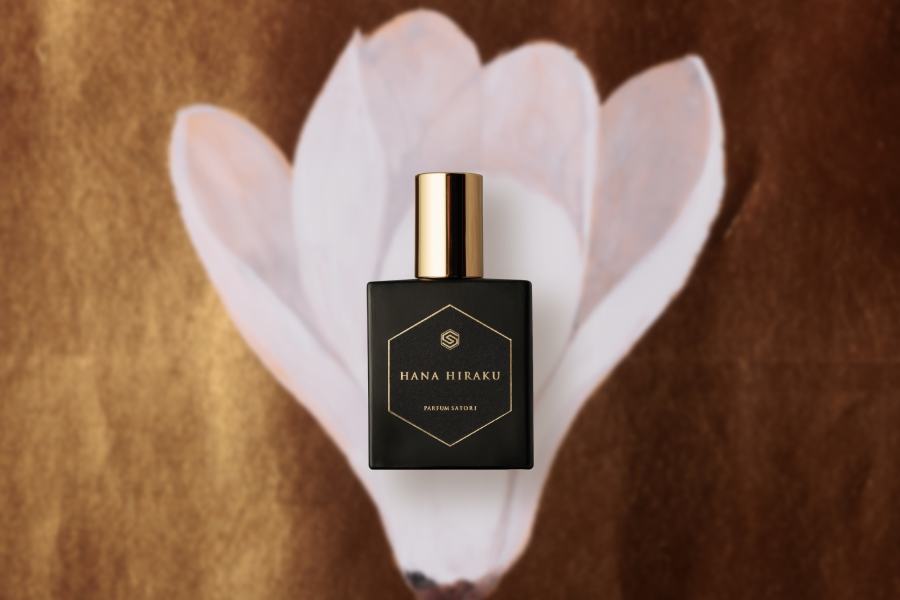
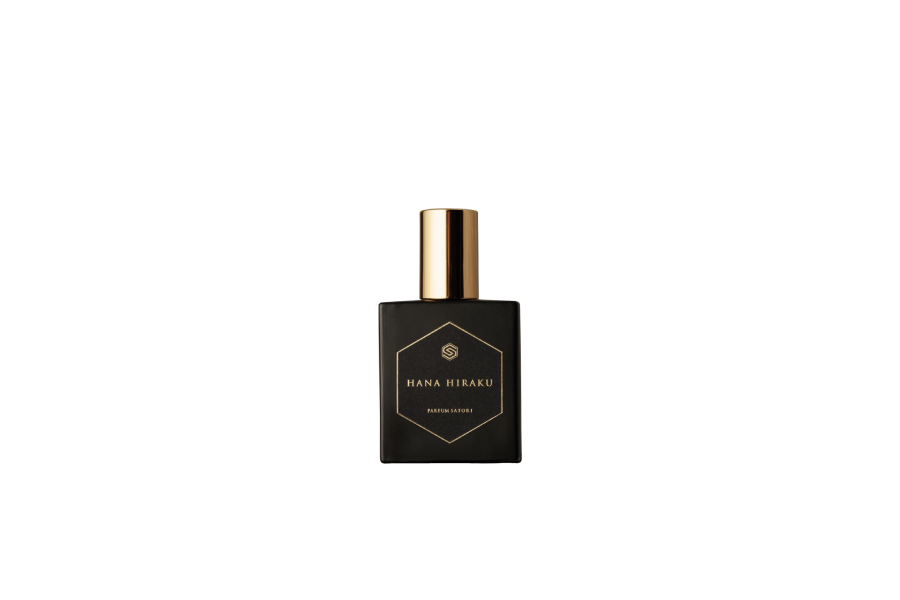
It opens with a twist of creamy melon and green galbanum.
Magnolia, tuberose, and jasmine bloom richly.
Dry lingering traces of toasted soy sauce and chamomile.
Bursting with earthy vitality, like the thick white blossoms of the Japanese magnolia, a creamy floral note unfolds from a fruity top. The heart reveals a white floral of profound presence��a bright radiance shining through a matte texture. The base evokes nostalgia with the savory sweetness of mitarashi and miso, balanced by iris and woods for a soft, dry finish. Generous use of natural essences creates a refined texture that leaves a light, airy trail.
| Type | Oriental Floral |
|---|---|
| Top Notes | Creamy melon, Bergamot, Galbanum ess. |
| Middle Notes | Magnolia ess., Tuberose abs., Jasmine abs., Iris butter, Rose ess., Ylang ylang, Chamomile blue ess. |
| Last Notes | Miso-an, Kogashi-sh���yu, Beeswax, Sandalwood, Cedarwood |
In the West, "Oriental" fragrances are often glossy and opulent.
Seductive animalic and spicy undertones combine floral and balsamic sweetness with light citrus.
This "Dry Oriental" is reimagined as a matte "Japanese Oriental," by Japanese perfumer Satori. The animalic nuances found in miso and soy sauce finish with a dry savoriness using iris and woody notes, balanced with floral, balsamic, and citrus elements.
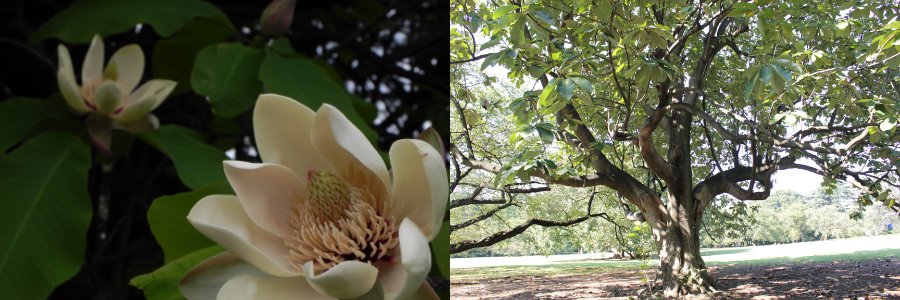
Magnolia obovata is a tall deciduous tree native to Japan. The trunks of larger trees can reach a diameter of 1 meter. Japanee magnolia can grow to around 30 meters in height.
In Japan, the magnolia has long been a part of daily life; its large leaves are used to wrap miso (hoba miso) or rice cakes (hoba mochi) for grilling or used as plates.
Around May, large creamy-white flowers, up to 20 centimeters across, bloom at the tips of the branches., Their rich fragrance is carried far on the breeze.