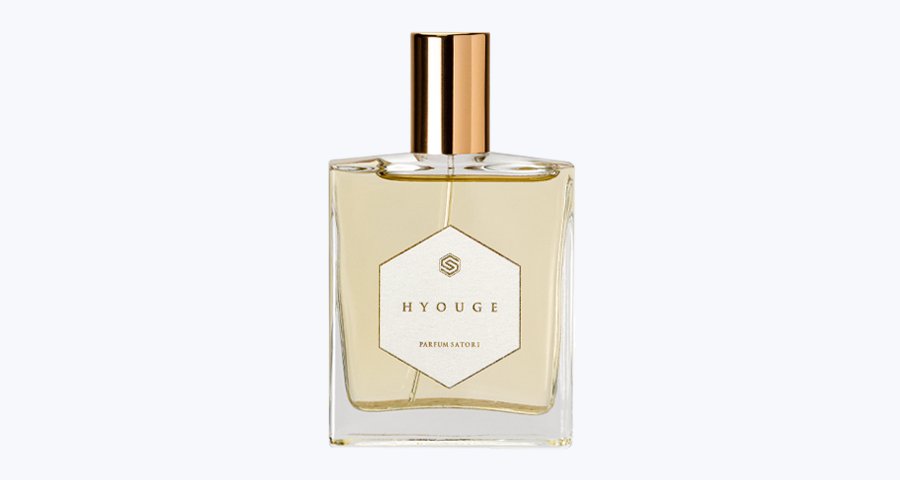
Furuta Oribe, the 16th-century tea master, took to heart his mentor Sen no Riky����s teaching: ��Do what others do not do.�� Bold and free-spirited, Oribe brought a fresh sense of beauty to the world of tea, reshaping its aesthetics with originality.
His signature pottery, Oribe ware, features deep greens and blacks in striking, asymmetrical forms��a style that remains modern even today.
Oribe earned the nickname ��Hy���gemono�� (eccentric one), a term of praise first recorded in the 16th-century S���tan Nikki, which described his unique sensibility and rebellious spirit.
This fragrance evokes that very sense of refined individuality.
It opens with a clean, slightly bitter green tea accord��the soft fizz of matcha foam rising gently on the air.
As the sharp clarity settles, a warm, powdery sweetness gradually unfolds, leaving a soothing, elegant trail.
A fragrance unlike any other��playful yet composed��bearing the essence of Oribe��s creative spirit.
Named Hy���ge in tribute to his singular style, this is a share-fragrance designed for both men and women.
| Type | Green Citrus |
|---|---|
| Top Notes | green leaves, clarysage |
| Middle Notes | jasmin, violet, patchouli |
| Last Notes | woody note, iris("nioi-ayame") |
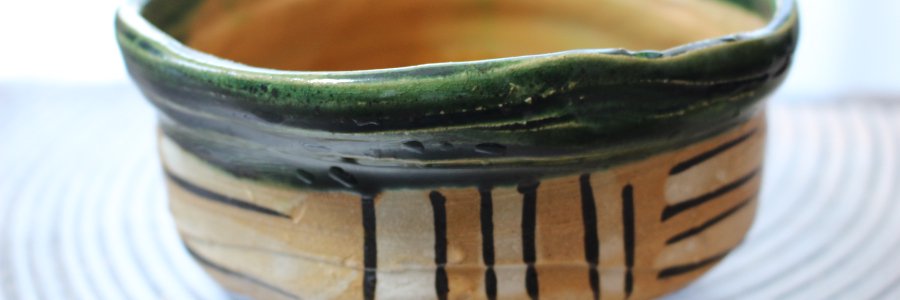
Furuta Oribe was a tea master of the 16th century who boldly reinterpreted the aesthetic ideals of his time.
Following Sen no Riky����s directive to ��stand apart from the rest,�� he cultivated a new vision of beauty grounded in individuality, asymmetry, and spontaneity.
His creations��including the famous Oribe ware in bold green and black��were so unconventional that he was affectionately called a Hy���gemono (a whimsical or eccentric person).
As early as the 16th century, this was recorded in the S���tan Nikki: ��A Seto tea bowl��quite the Hy���gemono.��
Author Ry���tar��� Shiba once wrote, ��Furuta Oribe may well have been the first person in the history of design to embody what we now call the avant-garde spirit.��
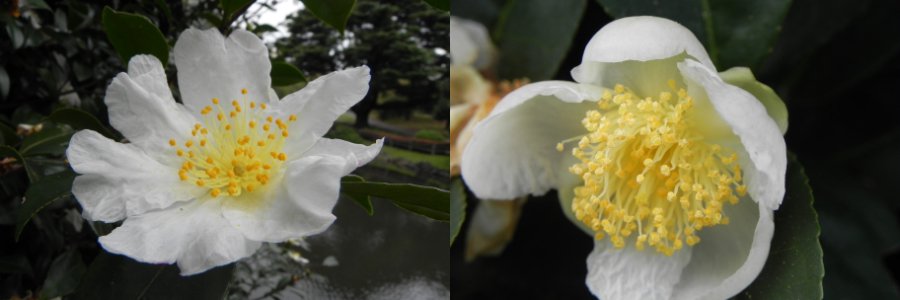
The tea plant (Camellia sinensis) belongs to the same botanical family as the camellia and sasanqua.
Sasanqua flowers bloom in late autumn, camellias in spring��and tea flowers appear in December.
Delicate and white, like miniature camellias, tea flowers have a fresh, lightly floral scent, reminiscent of sasanqua and subtly similar to the radiant aroma of hedione.